Landing pages have not changed much in years. Most are still static pages with generic copy, a form, and the same experience for every visitor.
Meanwhile, ad costs keep climbing. People are more skeptical than ever, and lead volume means nothing if the quality is poor.
That’s where AI landing pages actually make sense. Not because they’re shiny and new, but because they fix real problems that’ve been bugging marketers for years.
Let me break down what these things actually are and why they’re not just another marketing fad.
Why Traditional Landing Pages Struggle Today
Here’s the old playbook: build one page, write one message, slap on a form. Done.
Everyone who clicks your ad sees identical everything. Same headline. Same bullet points. Same “Get Your Free Quote Now!” button.
But here’s what’s really wrong with that.
Your traffic is all over the place. One person might be ready to buy today, another is just researching options for next year, yet the landing page treats them exactly the same.
Static copy gets stale fast. What worked last month can quickly feel off, but updating pages usually means looping in designers, copywriters, and approvals, which slows everything down.
And traditional forms are weak at qualification. A name and phone number tell you almost nothing about intent, timing, or fit.
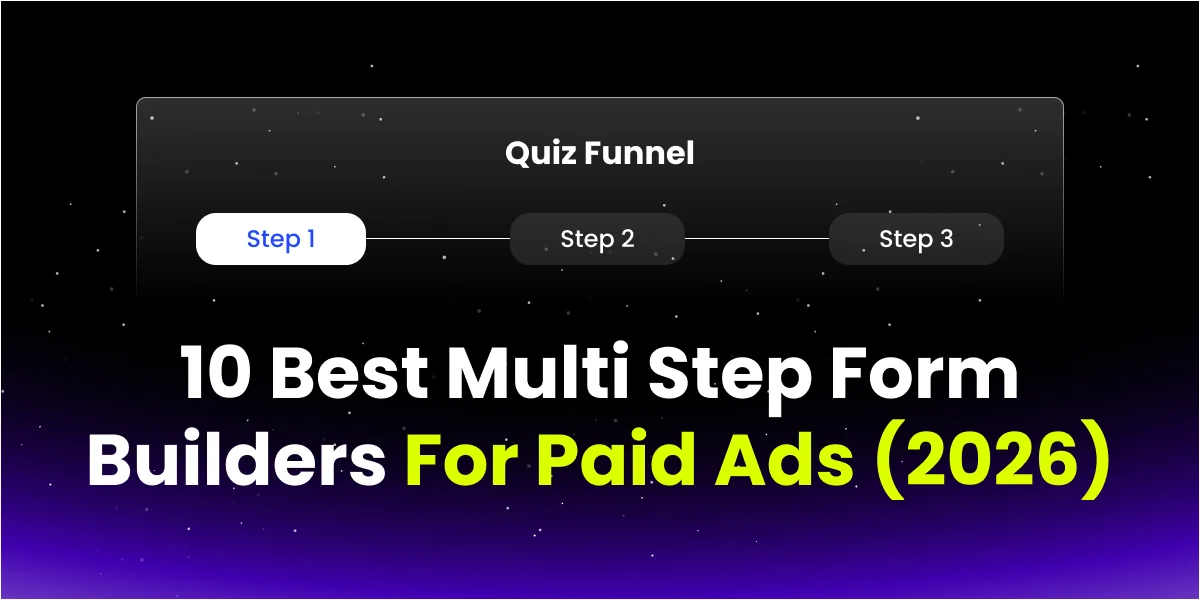
That’s why more teams are moving toward interactive quiz funnels. Instead of sending every lead straight to the CRM, these pages ask a few targeted questions first, qualifying visitors before they ever reach sales.

The result is fewer form fills, but far better ones. Sales teams spend less time chasing low-intent leads and more time talking to people who are actually ready to move forward.
What AI Landing Pages Actually Do
Okay, let’s clear something up. AI landing pages aren’t magic conversion machines that work without any human input.
They’re not some black box you can’t control, either.
Here’s what they really are: pages that use AI to generate and tweak the structure and copy based on your specific situation. Your niche, your offer, who you’re targeting.
Instead of staring at a blank page or forcing your message into some generic template, AI gives you a smart starting point.
Headlines that make sense. Copy that actually relates to what you’re selling. A layout that fits your goals.
But you’re still in charge. You decide what stays, what goes, what gets tweaked.
Think of AI as that really good copywriter friend who can brainstorm ideas super fast, not as some robot taking over your marketing.
AI-generated Landing Pages vs Template Based Pages
Templates are quick and a good starting point. But they’re also… limiting.
They assume one size fits all. That your SaaS startup and your local plumbing business should basically use the same page structure because, hey, they’re both “lead gen,” right?
AI flips this backwards.
With templates, you squeeze your offer into whatever box they provide. With AI, the page actually fits your offer.
The speed difference is huge. AI can create a complete landing page in minutes instead of the hours or days templates usually take, once you factor in customization, revisions, and approvals.
But the bigger shift is relevance.
Instead of “Boost Your Business Today!” style generic copy, AI generates messaging that matches the actual offer and audience. The language feels familiar because it is built around the niche, not around a template.
I tested this myself in a solar lead-generation page. I gave LanderLab’s AI landing page generator the following prompt:
Prompt:
“Create a lead generation landing page for a residential solar offer.The page should target homeowners only.
Qualify visitors before form submission by asking a small number of questions related to home ownership, location, and readiness to install solar.
Keep the tone clear and practical.
The goal is to reduce low intent leads and send only qualified prospects to sales.”
Instead of producing a generic quote form, the AI structured the landing page to introduce a few targeted questions first, qualifying visitors before they ever reached the CRM.

When you want to tweak messaging or test a new angle, the same approach applies. AI can generate alternative copy and page variations almost instantly, which makes iteration fast without starting from scratch.
You end up with landing pages that feel purpose-built, not recycled. Pages that do some of the thinking upfront instead of passing all the work downstream to sales.

How AI Improves Landing Page Relevance
When someone hits your landing page, they’re basically asking: “Is this for me?”
Most pages make people work to figure that out. AI pages answer that question immediately.
Maybe that means using industry-specific terms instead of marketing fluff. Maybe it’s matching the tone to where your traffic came from – educational content feels different from comparison shopping, right?
Or maybe it’s just putting the most important stuff first for the people who actually matter to your business.
Small changes in relevance can lead to big changes in results. When people feel like you get them, they stick around. They read more. They fill out forms with genuine intent rather than just curiosity.
Lead Generation Benefits Of AI Landing Pages
This is not about looking modern or chasing trends. AI landing pages change outcomes by making pages more relevant to the reader.
When a landing page feels specific, people engage differently. They spend more time reading, bounce less, and actually process the offer instead of skimming and leaving.
That clarity carries through to the leads you collect. When messaging is precise, visitors understand what they are opting into, which means fewer accidental submissions and fewer “just browsing” leads.
Lead quality improves as a result. Instead of chasing random clicks and low-intent form fills, sales teams spend more time speaking with people who already understand the offer and have a reason to engage.
Paid traffic benefits too. Rather than sending every click to the same generic page and hoping for the best, AI helps ensure the landing page itself matches the intent behind the click. When the page makes sense, traffic is used more efficiently.
Common Misconceptions About AI Landing Pages
AI landing pages aren’t magic bullets for everything. But they’re pretty solid when speed matters, and you need things to be relevant fast.
They’re perfect for paid campaigns where you’re constantly tweaking and testing. Affiliate marketing? Yeah, they work great there too, offers change all the time, and you need pages that can keep up. The same goes if you’re running campaigns across different audiences or niches.
But honestly? Some pages don’t need AI at all. Your main brand homepage, those long storytelling pieces, design-heavy pages that are more about the vibe, AI might just get in the way.
The point isn’t to AI-ify everything. It’s using it where it actually helps.
Common misconceptions about the AI landing page
Here’s what drives me nuts: people think AI means losing control. Wrong. You still need to make decisions, edit stuff, and use your brain. AI doesn’t run the show.
Another thing: AI isn’t a strategy. It can help you build pages and write copy, but if your offer sucks or your value prop is confusing, AI can’t fix that mess.
And this one’s big thinking AI automatically boosts conversions. Nope. AI makes things faster and more relevant, which helps, but bad traffic and weak offers will still tank your results.
Getting these limitations straight is huge for actually using AI right.
Where Landing Pages Are Heading
Static pages are dying. Users want stuff that feels like it was made for them, not recycled from last year’s campaign.
AI fits right into this shift because it makes creating and tweaking pages way less painful. You can focus on what matters: clear messaging and understanding what people want, instead of getting bogged down in busy work.
For lead generation, especially, this matters. Competition’s getting fierce. The winners are going to be the ones who can launch fast, test smart, and serve up offers that actually make sense for their audience.
AI landing pages aren’t some magic shortcut. They’re just tools that align with where lead generation is going.
Create High-Converting AI Landing Pages
Learn how to create high-converting landing pages designed for lead generation.
Use AI to speed up page creation, improve relevance, and turn more visitors into qualified leads.